Best Moroccan Restaurants in Agadir 2026: Une Sélection Honnête
Une sélection honnête des meilleurs restaurants marocains à Agadir en 2026 — sept tables triées par ce qu'elles cuisinent vraiment, pour qui, et à quel prix. Pas de classement bidon.
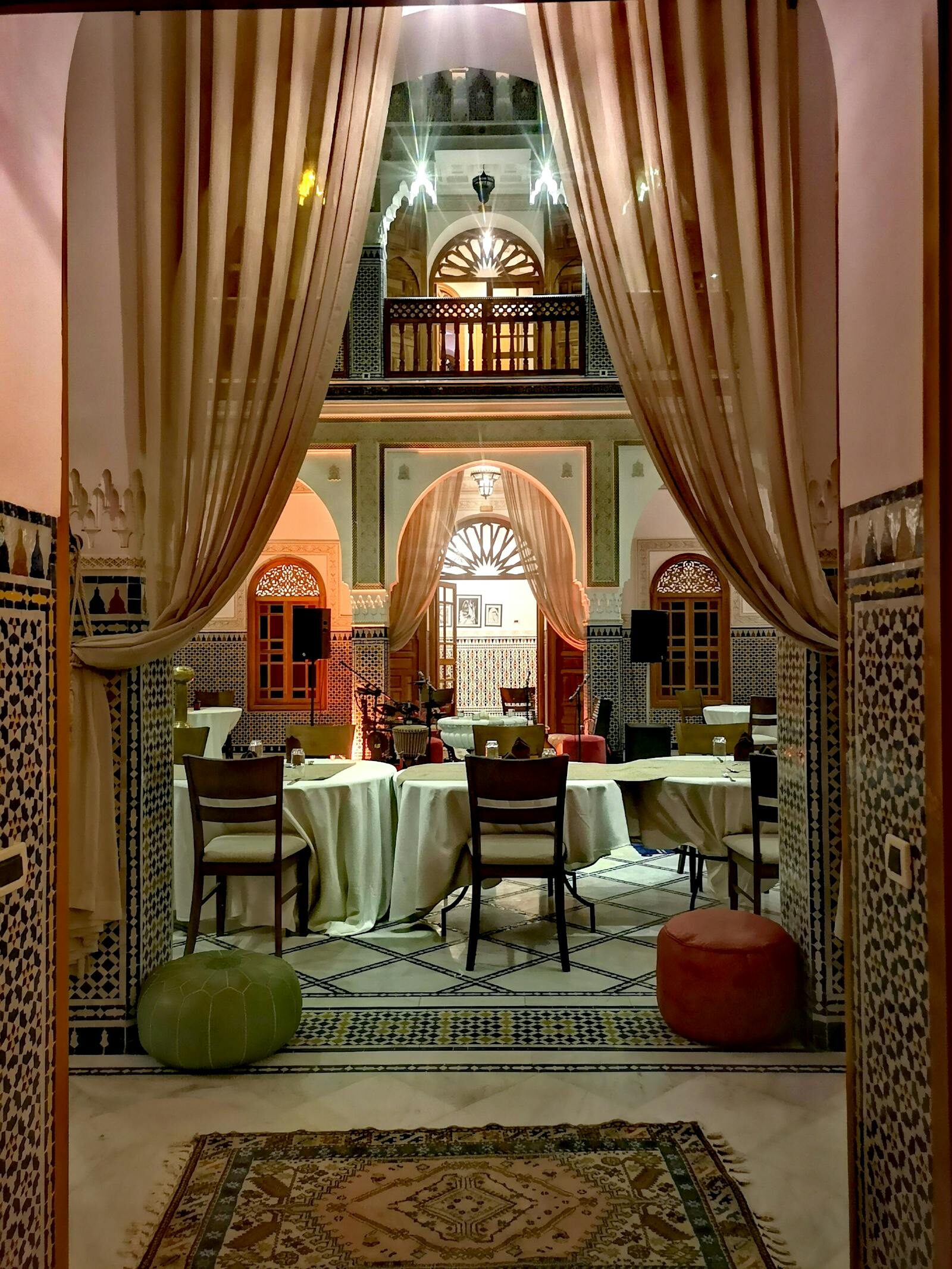
Why Agadir’s Moroccan Restaurant Scene Looks Different from Marrakech’s
Agadir doesn’t do Moroccan dining the way Marrakech does. There’s no historic medina full of riad-restaurants — the 1960 earthquake erased the old city, and the planners who rebuilt it chose grid boulevards and beach hotels over reconstructed courtyards. What you get instead is dispersed: a Moroccan kitchen on a residential corner of Boulevard Hassan II, a tagine specialist tucked into a 1990s commercial block, a fine-dining take in the Secteur Balnéaire, a couscous lunch counter where locals actually eat. The “Moroccan restaurant” label covers a working-class daily-special joint and a candlelit terrace at the same time, and neither apologises for the other.
That dispersion is the point of this guide. If you search “restaurant marocain agadir” you’ll land on aggregator lists that mix Mediterranean places, Italian places, and one or two genuine Moroccan kitchens with no useful way to tell which is which. We’ve cooked through the listings on this site, kept only the ones that actually serve Moroccan food, and ranked them by what they’re good at rather than by star count. Each entry tells you what to order, who it’s for, and roughly what it costs. Pick honestly. If you only have time for one Moroccan meal in Agadir, the closer at the bottom of this piece tells you exactly where to go.
For broader context — the city’s full restaurant scene, not just the Moroccan slice — see our best restaurants in Agadir for 2026 and cheap eats in Agadir on a budget. And the medina disambiguator is the page to read first if “Agadir medina” sent you here — there’s a restaurant called Agadir Medina too, which is a different thing again.
Restaurant Rafiq — The Locals’ Lunch on Hassan II
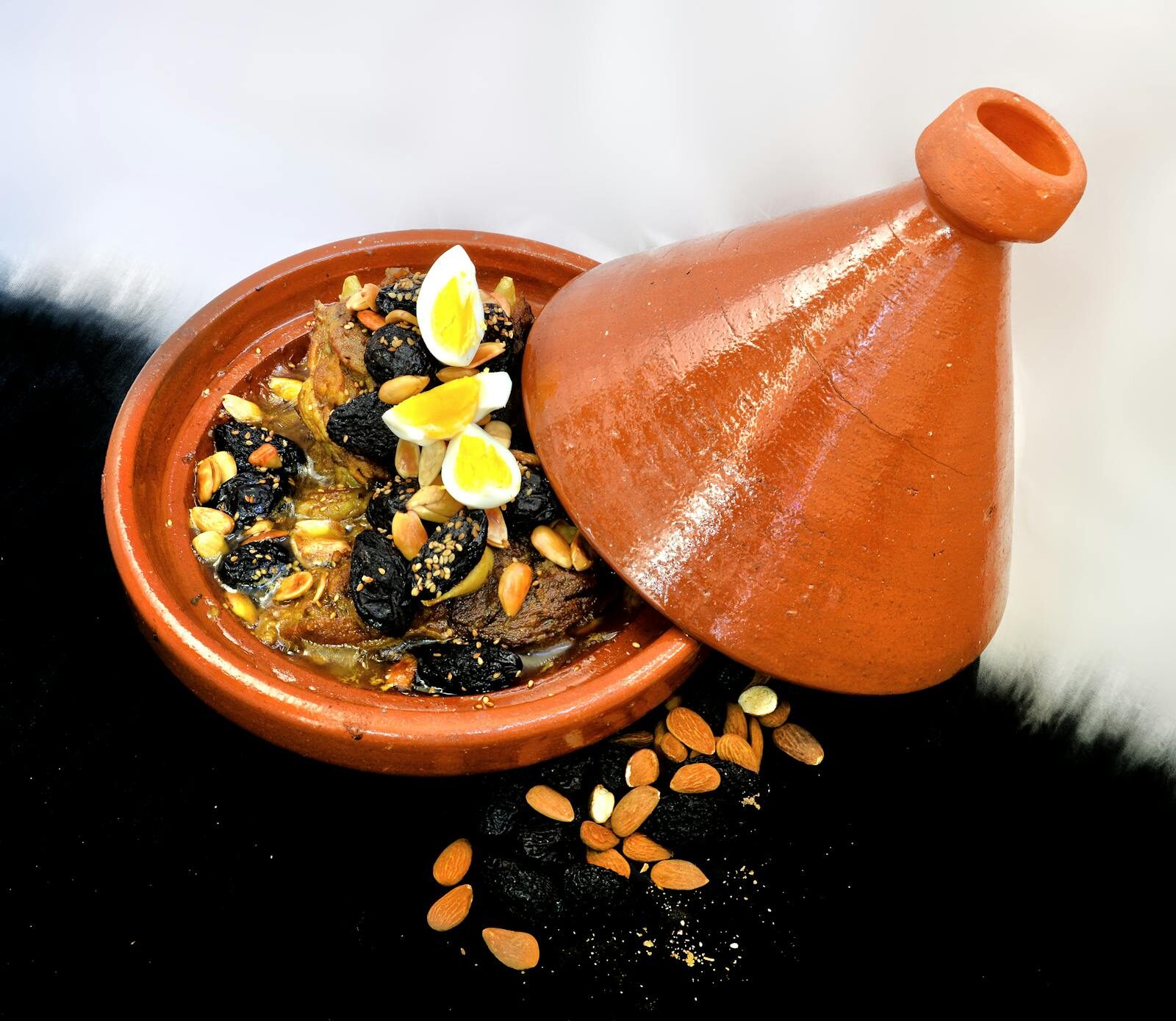
Restaurant Rafiq on Boulevard Hassan II is the place to go for a weekday lunch when you want what the office workers around you are eating. The kitchen runs reliably between roughly noon and three: chicken tajine that’s actually braised rather than reheated, meatball tagine with the egg cracked into the centre, knafeh for dessert that’s still warm. Orange juice is freshly squeezed and worth ordering — that’s a small detail and it tells you something about how the front of house thinks.
What to order: the meatball tagine with egg (kefta mkawra), the chicken tajine of the day, the knafeh.
Honest read: consistency wobbles at the edges. We’ve heard about specials disappearing mid-week and beef skewers vanishing from the menu without warning. The staff will improvise — they’ll do tacos before service if you ask nicely — but don’t bank on a specific dish being there twice running. Arrive knowing what you want, ask what’s running today, and order from that list rather than the printed menu.
Price: mid-budget — most plates land between 50 and 120 dirhams. Two people can eat properly for around 200-250 dh with drinks.
Go if: you want the locals’ weekday lunch experience and you can flex on what you order. Skip if: you need a guaranteed menu or you’re chasing dinner ambiance — Rafiq is a lunch operation that tapers in the evening. For the full picture see our standalone Restaurant Rafiq review.
Restaurant Al Walima — Beldi Without the Hedging
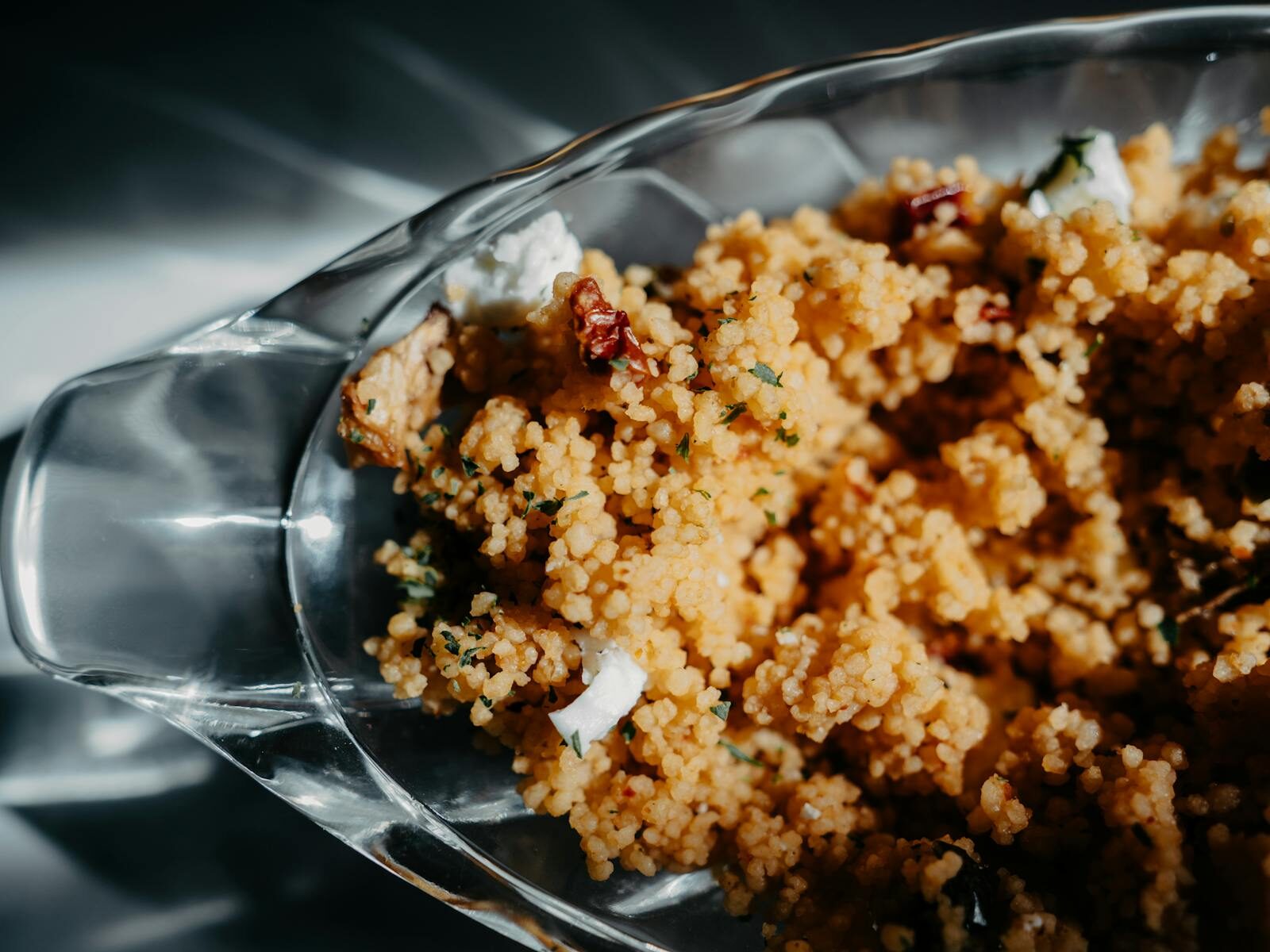
Restaurant Al Walima near the Jardin Lalla Meryem cooks Moroccan food the way grandmothers in the Souss cook it — beldi technique, country-style, no apologies. That phrase gets used loosely; here it earns it. The lamb tagine appears in review after review unprompted, which is usually a reliable signal. The aubergine dip (zaalouk) is properly smoked. The menu du jour at lunch is genuine value rather than a marketing exercise.
What to order: lamb tagine with prunes; the Friday couscous if you happen to be there on a Friday (Moroccans eat couscous on Fridays after prayer, and Al Walima honours that calendar properly); the crème caramel or the cheesecake for dessert.
Honest read: Al Walima is the closest thing in this list to a non-touristy Moroccan dinner that you can recommend to a visitor without hedging. The location is calm, away from the corniche hustle, which means you eat in something resembling a neighbourhood rather than a tourist strip.
Price: mid-range. The menu du jour at lunch lands around 100-140 dh; à la carte dinner runs 150-250 dh per person depending on what you drink.
Go if: you want one good Moroccan meal in Agadir and you’d rather it be honest than fancy. Skip if: you want a view of the Atlantic with dinner — Al Walima sits inland.
Restaurant la Pastilla — The Best Value on Boulevard 20 Août
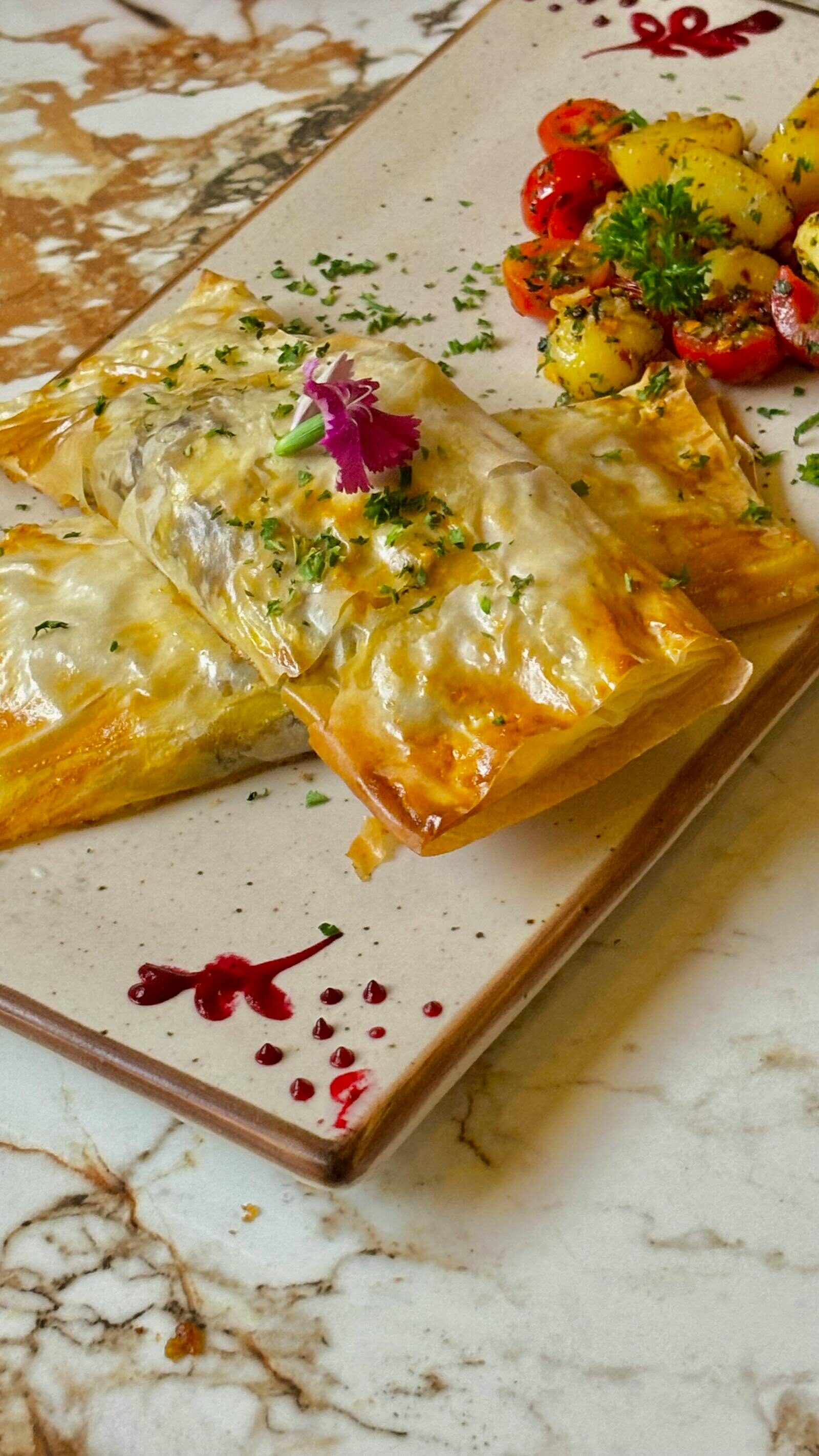
Restaurant la Pastilla is named after the dish — sweet-savoury pigeon-or-chicken filo pie dusted with cinnamon and icing sugar, the showpiece of Moroccan banquet cooking. It’s the thing to order, but it’s not the only reason to come. The breakfast set runs 85 dirhams and includes shakshuka, omelette, bread, honey, coffee, and juice — that’s roughly half what you’d pay for the same plates two streets away on the corniche, and the food is better.
What to order: the pastilla, obviously, but ask which version — the chicken-and-almond is the classical one. Lamb tagine. Chicken couscous. The breakfast set if you’re in for a morning.
Honest read: the kitchen is steady and the staff (Siad, Soufiane, Youssef show up by name in reviews) read the room well. Free starters and a peppermint tea at close are routine rather than performance. The location on Boulevard du 20 Août means the spillover terrace exists, and somehow the road noise stays manageable.
Price: budget-to-mid. Breakfast 85 dh; mains 80-140 dh; two-person dinner around 250-350 dh.
Go if: you want pastilla done properly and you’re price-sensitive. Skip if: you need a quiet candle-lit room — the terrace is a working street.
Dada Cuisine — Where Locals Take Their Mother
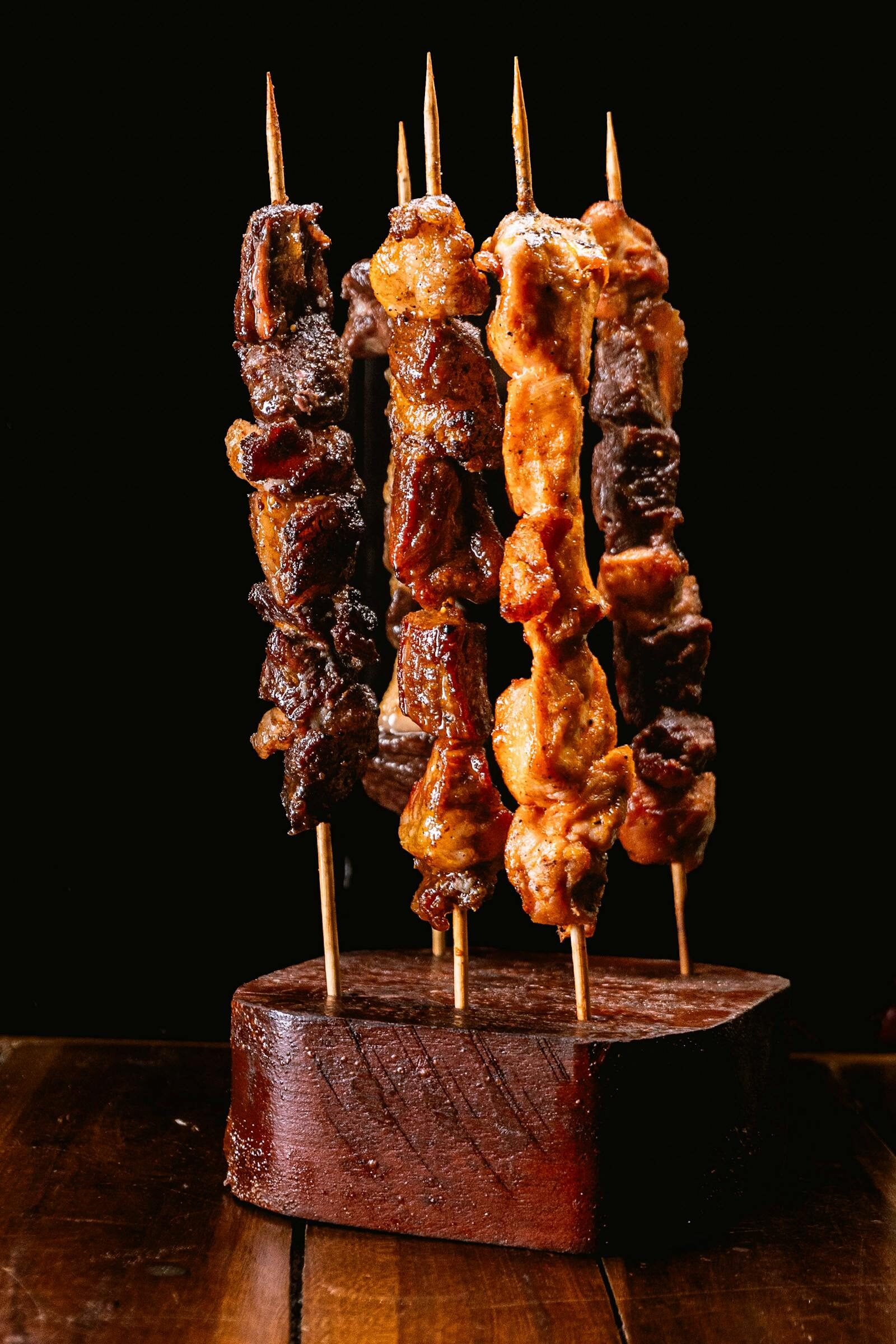
Dada Cuisine splits the difference between occasion restaurant and neighbourhood Sunday spot. The kitchen takes Moroccan fundamentals seriously — harira with actual body and lemon, msemen that crisps at the edges rather than going leathery — and slips in modern gestures (a citrus dressing here, a presentation flourish there) without making them the point. The ftour spreads during Ramadan are generous and coherent; the fixed-menu deals during football matches hit the price-to-portion ratio hard.
What to order: harira to start, msemen with honey, the lamb tagine, mint tea poured high. During Ramadan, the ftour spread is the order. Brunch on Saturday works.
Honest read: the service divides on consistency. Attentive and warm when the room’s calm; visibly stretched when it floods, which on weekends happens. The terrace is a real asset — until the caged songbirds get going, which some diners find charming and others find a noise problem they didn’t sign up for. Ask for indoor seating if that matters to you.
Price: mid-range. Mains 90-160 dh; ftour set menu around 150-200 dh per head.
Go if: you want a proper Moroccan dinner with a little polish, or you’re in town during Ramadan and want a real ftour. Skip if: you can’t flex on the room being busy.
Restaurant Saykouk — Briwates and Refinement
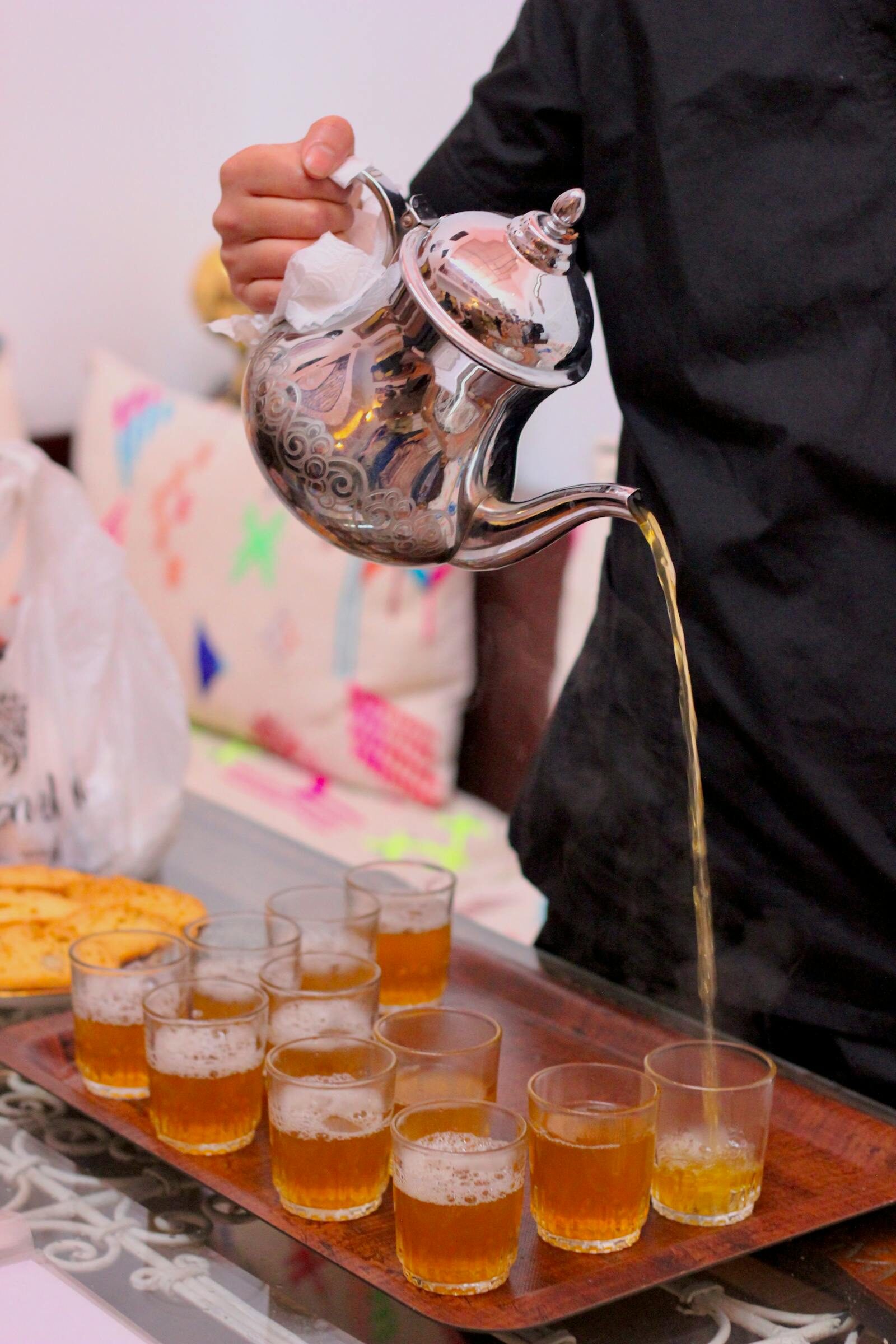
Restaurant Saykouk operates a step up from neighbourhood — calm dining room, careful plating, attentive service — and it backs the presentation with cooking that doesn’t slip. Briwates (small filo parcels of meat or cheese, fried gold) are the signature starter and worth the ordering. Moroccan standards arrive without garnish gimmicks; the tagines run consistent across visits.
What to order: briwates as a starter for the table, lamb tagine with prunes or chicken with preserved lemon, mint tea ceremonial-pour for the closing.
Honest read: Saykouk has built a 4.3 across 1,200+ reviews, and the volume tells you the operation works. One honest caveat: the menu sometimes promises dishes that aren’t running. One reviewer arrived for tanjia specifically, was assured of availability, then turned away once seated. Ask at the door if you’re chasing a specific Moroccan slow-cook (tanjia, mechoui) — those need ordering in advance most days.
Price: mid-to-upper. Mains 120-180 dh; dinner for two with starters and tea around 400-500 dh.
Go if: you want a calm, refined Moroccan dinner that’s still Moroccan rather than Frenchified. Skip if: you’re chasing a specific slow-cooked dish without calling ahead.
Beldi Fusion Kitchen — Moroccan with European Footnotes
Beldi Fusion Kitchen on Boulevard du 20 Août does what most fusion restaurants in Morocco fail at: the food tastes like something. The pitch is Moroccan anchored with European touches — a smoked aubergine that arrives with a balsamic reduction, a tagine that finishes with a citrus zest rather than just preserved lemon — and the kitchen makes the combination feel intentional rather than nervous. Three separate reviews mention the menu photos matching what arrives on the plate, which is a small detail and tells you the operation cares.
What to order: the beldi tagine of the day, the smoked aubergine starter, anything on the daily blackboard. The upstairs terrace is worth requesting if the weather’s right.
Honest read: service draws consistent praise — staff (manager Hasham comes up by name) remember repeat diners and check in without hovering. The location on Boulevard 20 Août means the room is busy and visible from the street, which keeps it honest rather than insulated. Women’s toilets have come up as a maintenance complaint; minor but worth flagging.
Price: mid-range. Mains 110-170 dh; dinner for two around 350-450 dh.
Go if: you’ve already eaten a classical Moroccan meal and want a slightly modernised version. Skip if: “fusion” is a word that puts you off — Beldi earns the label, but if it’s the word that triggers you, save your appetite for Al Walima instead.
Restaurant le 20 Agadir — The Polished One
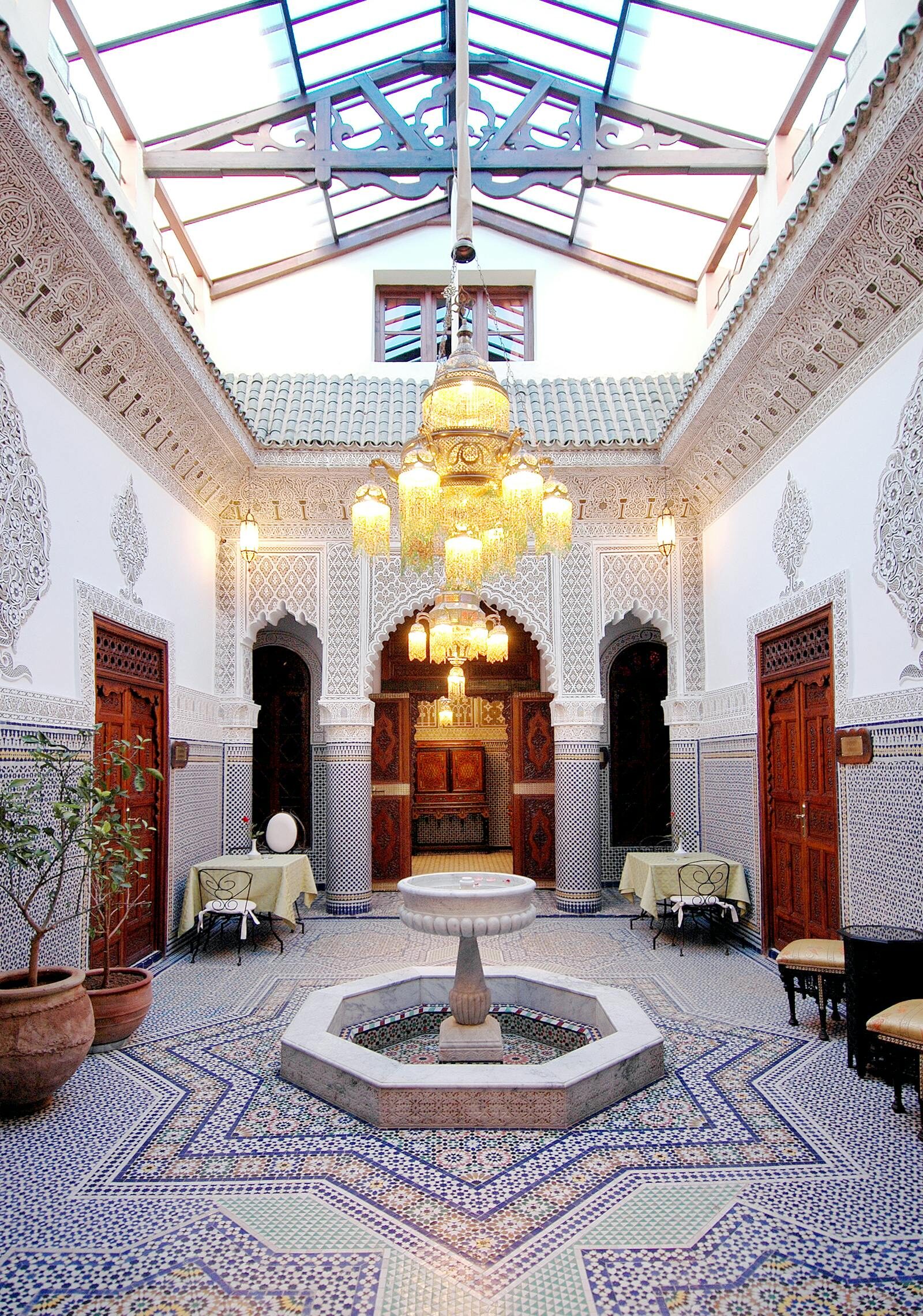
Restaurant le 20 Agadir on Boulevard du 20 Août in the Secteur Balnéaire is the closest thing on this list to a fine-dining Moroccan dinner. The room is modern and tastefully done — clean lines, soft lighting, no zellige overkill — and the menu spans Moroccan tagines and a small selection of grilled cuts handled with proper technique. The chicken brick (a small filo parcel similar to briwate but larger and folded square) arrives warm and crisps under the knife; the rib-eye is tender; the beef carpaccio is worth ordering as a starter for the table.
What to order: chicken brick to start, chicken or lamb tagine for the Moroccan reference, the rib-eye if you want the kitchen’s grill work, goat’s cheese salad for sharing.
Honest read: the staff (Abderrahim, Abdul) read tables well and the wine list includes a local Medallion that holds up to the food. The desserts (apple tart with ice cream) won’t bowl you over — order tea and pastries instead. Prices stay unspecified in reviews because no one complains about them, which is usually a good sign.
Price: upper-mid. Mains 140-220 dh; dinner for two with starters and a glass of wine around 500-650 dh.
Go if: you want a Moroccan dinner you could take a date to without apologising for the room. Skip if: you’re after the rough-edged neighbourhood version — Le 20 is polished by design.
How to Pick
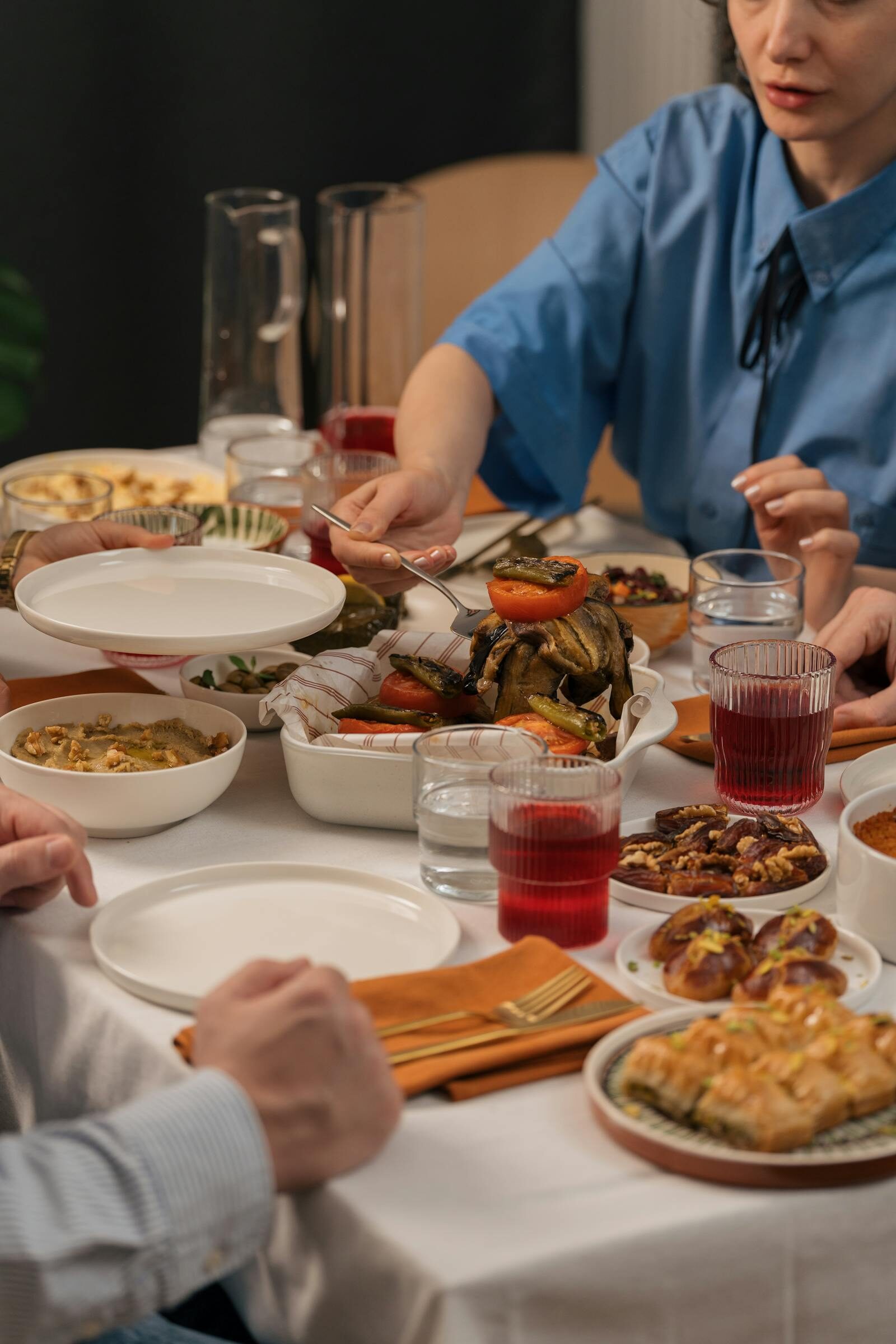
Seven restaurants, one short answer for each decision.
For your first Moroccan meal in Agadir, go to Al Walima. It’s the most honest version of beldi cooking in the city and it doesn’t perform for you. Order the lamb tagine. Take notes.
For tagine night with friends, go to Restaurant le 20. The room handles a group of four-to-six without pressure, the menu has enough range that not everyone has to order tagine, and the wine list works.
For Friday couscous, go to Al Walima or la Pastilla. Both treat the Friday couscous as a real thing rather than a tourist novelty. Get there by 13:30 — the good batches don’t last to late lunch.
For pastilla specifically, go to la Pastilla. It’s in the name, they take it seriously, and the price point is honest. Order the chicken-and-almond version unless you’ve eaten pigeon pastilla before and know what you’re in for.
For a weekday lunch like a local, go to Rafiq. Office workers, a quick chicken tagine, fresh orange juice, out in under an hour. The Boulevard Hassan II location means you can walk to the corniche after to settle the meal — see our cheap eats in Agadir for the rest of the budget lunch map and Mister Cook Hay El Mohammadi if you’d rather a working-class tacos counter for the same price.
For Ramadan ftour, go to Dada Cuisine. The spread is generous, the harira has body, and they understand the ritual rather than just running a menu. Book ahead.
For a refined Moroccan dinner with a date, go to Saykouk or Le 20. Saykouk is the more traditional room; Le 20 is the more modern one. Both keep the cooking Moroccan rather than drifting French.
For Moroccan-with-modern-twists, go to Beldi Fusion Kitchen. The fusion is real, not nominal, and the price reflects honest cooking rather than concept-tax.
That’s the working list. None of these places are perfect — we’ve noted the friction in each entry, because pretending it isn’t there is how guides become useless. But all seven actually cook Moroccan food in Agadir in 2026, and between them they cover the range of what a Moroccan kitchen can be: weekday lunch, family Sunday, fine-dining anniversary, Ramadan ftour, the cousins’ brunch, the date. Pick honestly.
Keep reading
 practical
Surfing for Beginners in Morocco: Taghazout's Honest Reality 2026
A first-timer's honest guide to learning to surf in Morocco. The right breaks, the right week, the realistic costs, the surf-camps that actually teach beginners — without the brochure gloss.
 comparison
Taghazout vs Tamraght 2026: Where Should You Stay for Surfing?
An honest comparison of Taghazout village and Tamraght for a surf trip in 2026 — wave access, accommodation, food, vibe, cost, and getting around. Pick the right one.
 seasonal
Surfing in Taghazout by Season: When to Go for Your Level 2026
When to surf Taghazout depends on your level. An honest seasonal guide — winter for advanced surfers, summer for beginners, and shoulder months for the rest of us. Water temps, wave size, wetsuit thickness.