Médina d'Agadir & Souk El Had: A Guide to the City's Two Markets
Agadir has two 'medinas' — one is the city's real working market, one is an Italian-built artisan village from the 1990s. A guide to telling them apart and visiting both.
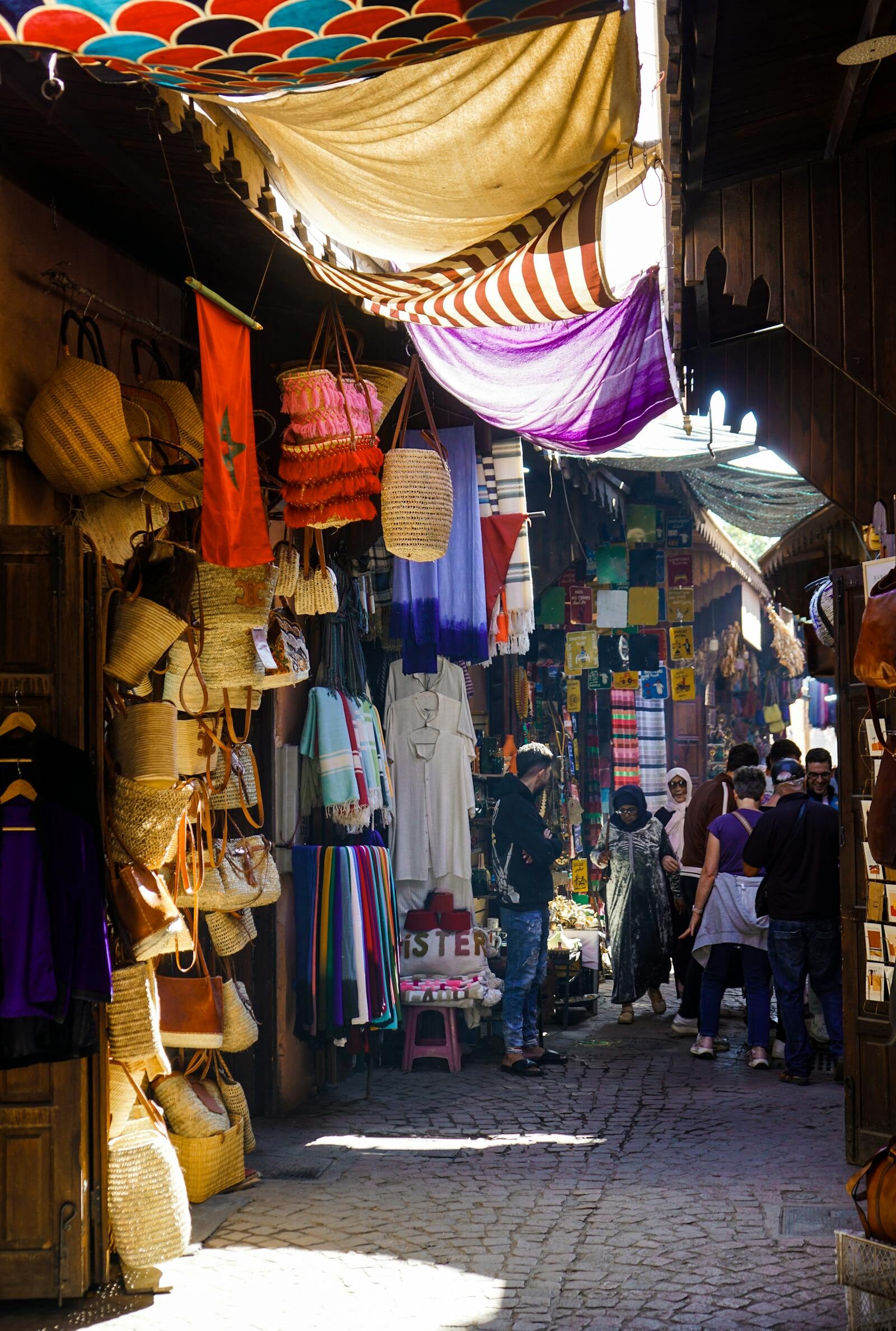
Agadir Has Two “Medinas.” Only One Is Real.
If you Google “Agadir medina” you’ll find two things tangled together: the city’s working daily market — called Souk El Had, which is where actual Agadiris buy their actual fish, spices, leather, and argan oil — and a separately-built artisan village called Médina d’Agadir Polizzi, designed by an Italian architect in the 1990s as a tourist-friendly recreation of a Berber medina that Agadir itself never had.
Both are interesting. They are completely different places. Mistaking one for the other is the most common single mistake a first-time visitor to Agadir makes. This is a guide to both, so you can pick honestly.
(A brief disambiguation note: there is also a restaurant called Agadir Medina that ranks well for the same search term. That’s a restaurant, not a market. If you’re looking for somewhere to eat, that one has its own review.)
Why Agadir Doesn’t Have a Historic Medina
It used to. The earthquake of 29 February 1960 destroyed almost everything. The kasbah at Agadir Oufella on the hilltop survived only as walls; the old quarters below it did not. When the city was rebuilt in the early 1960s, the planners chose a grid — wide boulevards, modern blocks, an Atlantic-front corniche. That decision is the reason Agadir feels like a beach resort rather than an imperial city. There was no medina to rebuild in place; the people who had lived in one were dead or relocated to new districts on the city’s edge.
What followed, decades later, was two different solutions to the absence: a real working market that grew organically in the new city’s east side (Souk El Had), and a constructed visitor-experience version a few kilometres south (Médina Polizzi). Knowing which is which solves most of the confusion.
Souk El Had: The Real One
Souk El Had is the largest market in southern Morocco. It is genuinely big — around 6,000 stalls inside an octagonal walled enclosure, organised loosely by category into eight numbered gates. It operates every day except, occasionally, the morning of a major religious holiday. The “el had” in the name means “Sunday,” which is the traditional market day but no longer the only one.
What you’ll find:
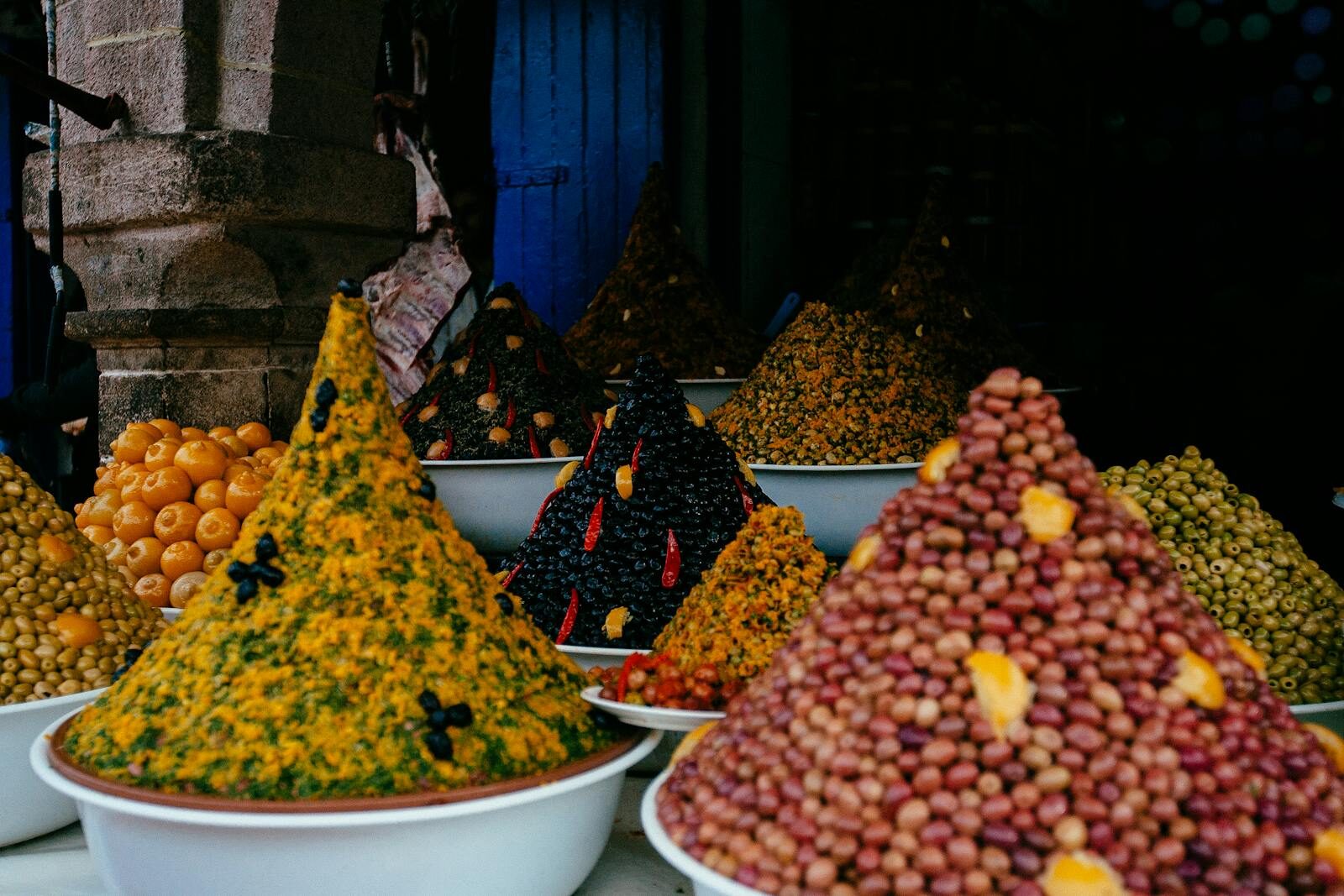
- Gate 1 area: fresh produce, the deepest section of the market. Mountains of olives in twenty grades of brine; herbs sold by the handful; pomegranates in season stacked higher than the seller’s shoulder.
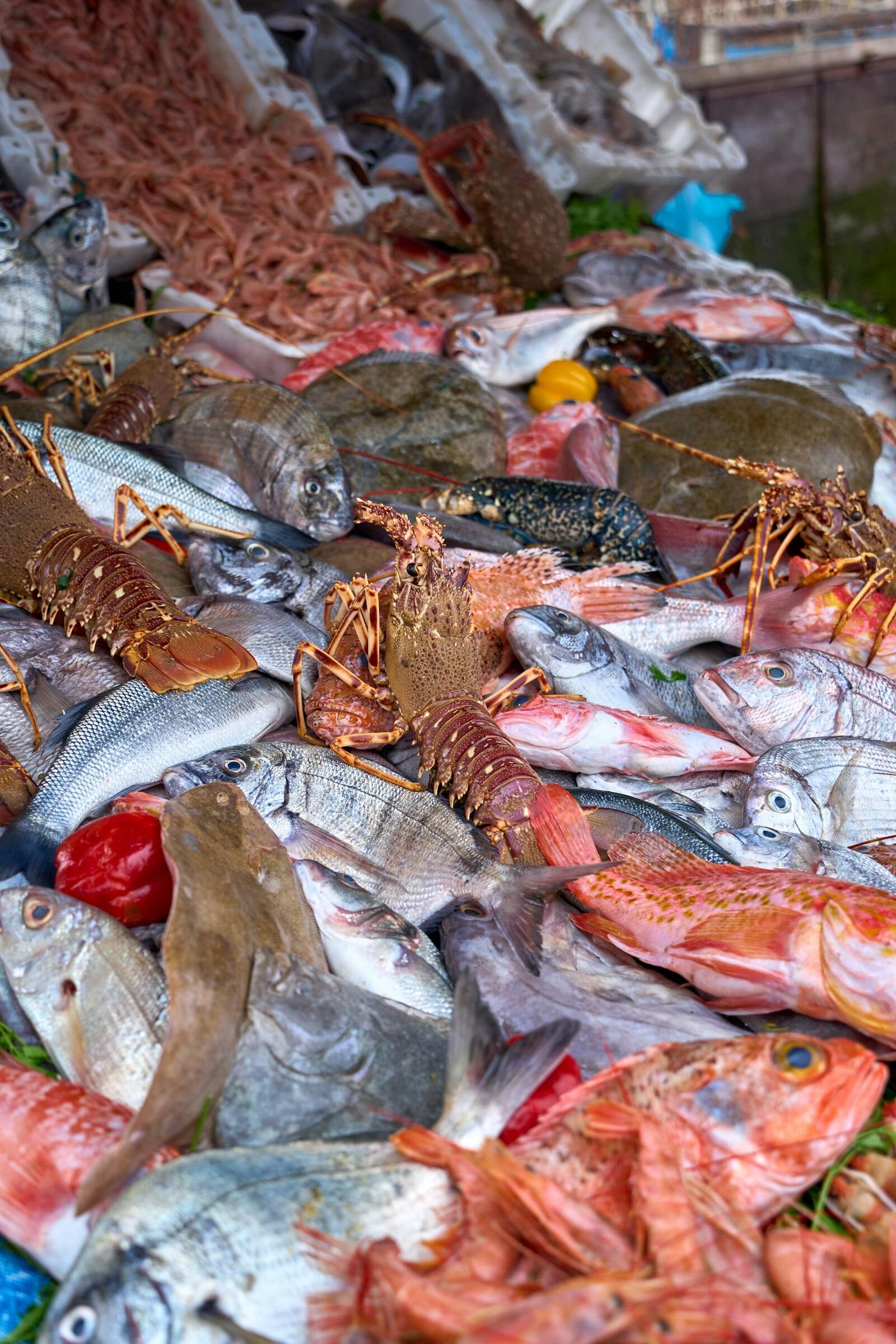
- Gate 2: fish and meat. The fish counter is excellent and busy from morning. Bring your eyes more than your phone — it’s an aesthetic experience as much as a shopping one.
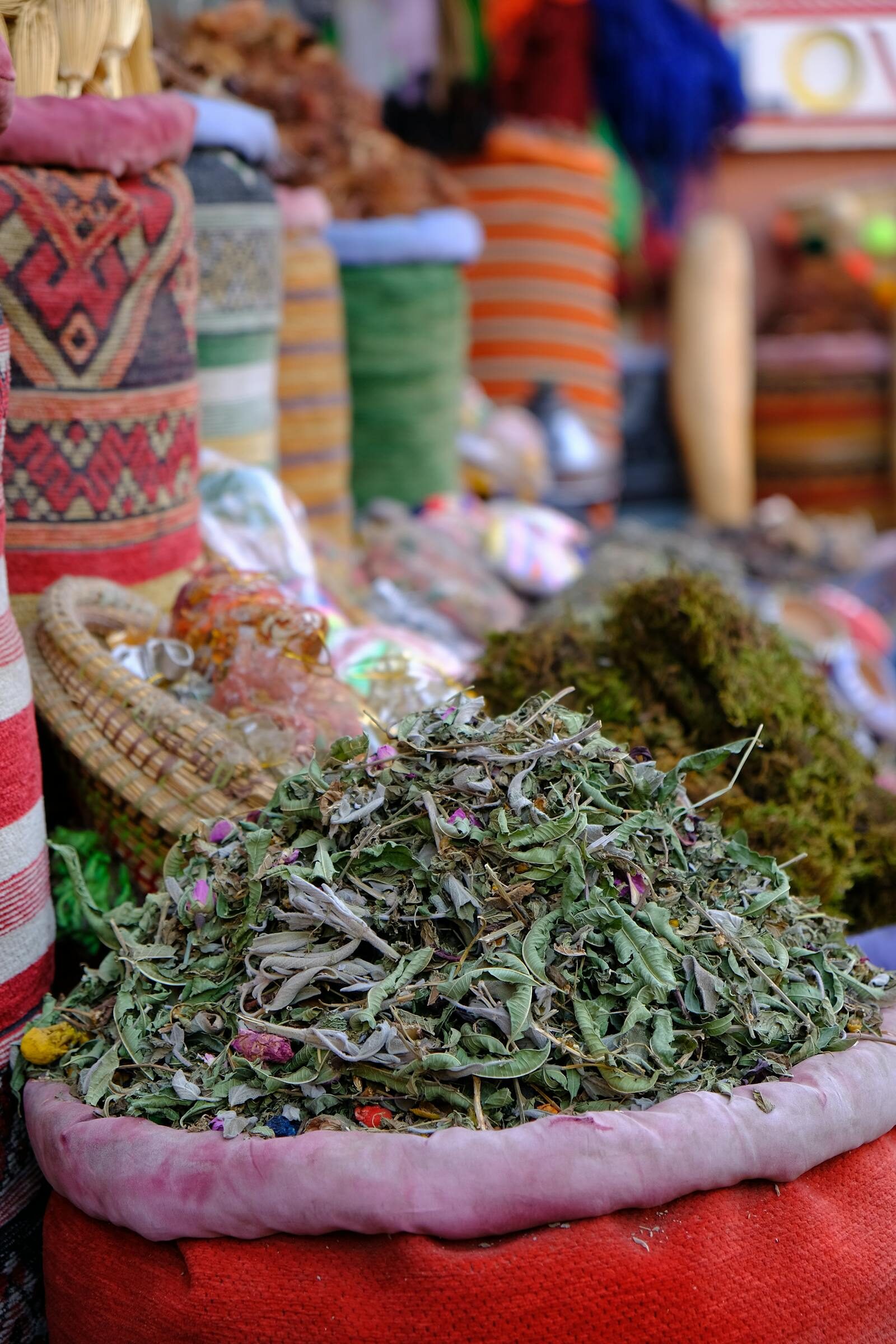
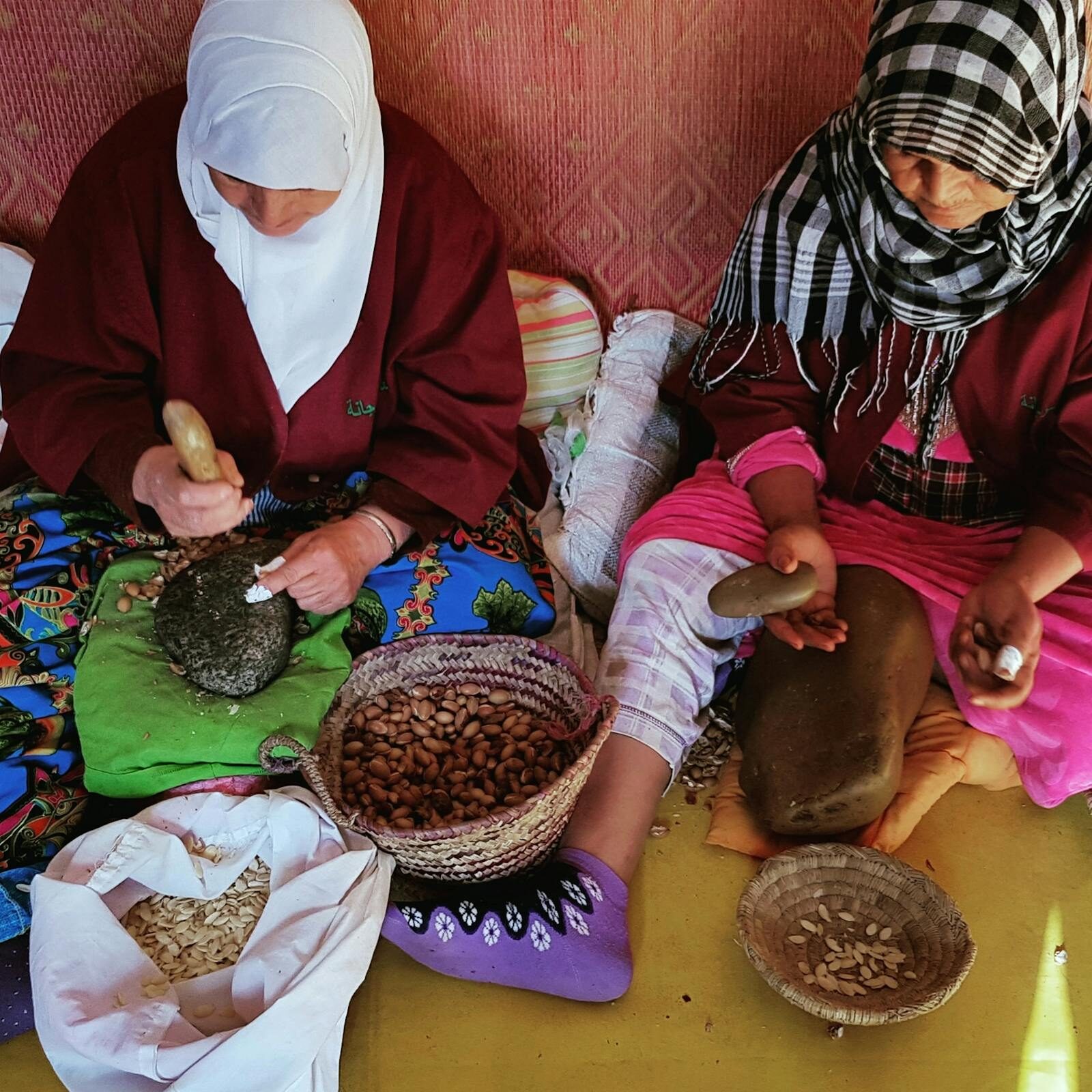
- Gate 3: spices, dried fruit, argan products. This is where you’ll see the cooperatives — if you’re buying argan oil to take home, this is the most reliable place, and the prices are far better than the corniche shops. Look for the women’s cooperative sticker; that’s the genuine article.
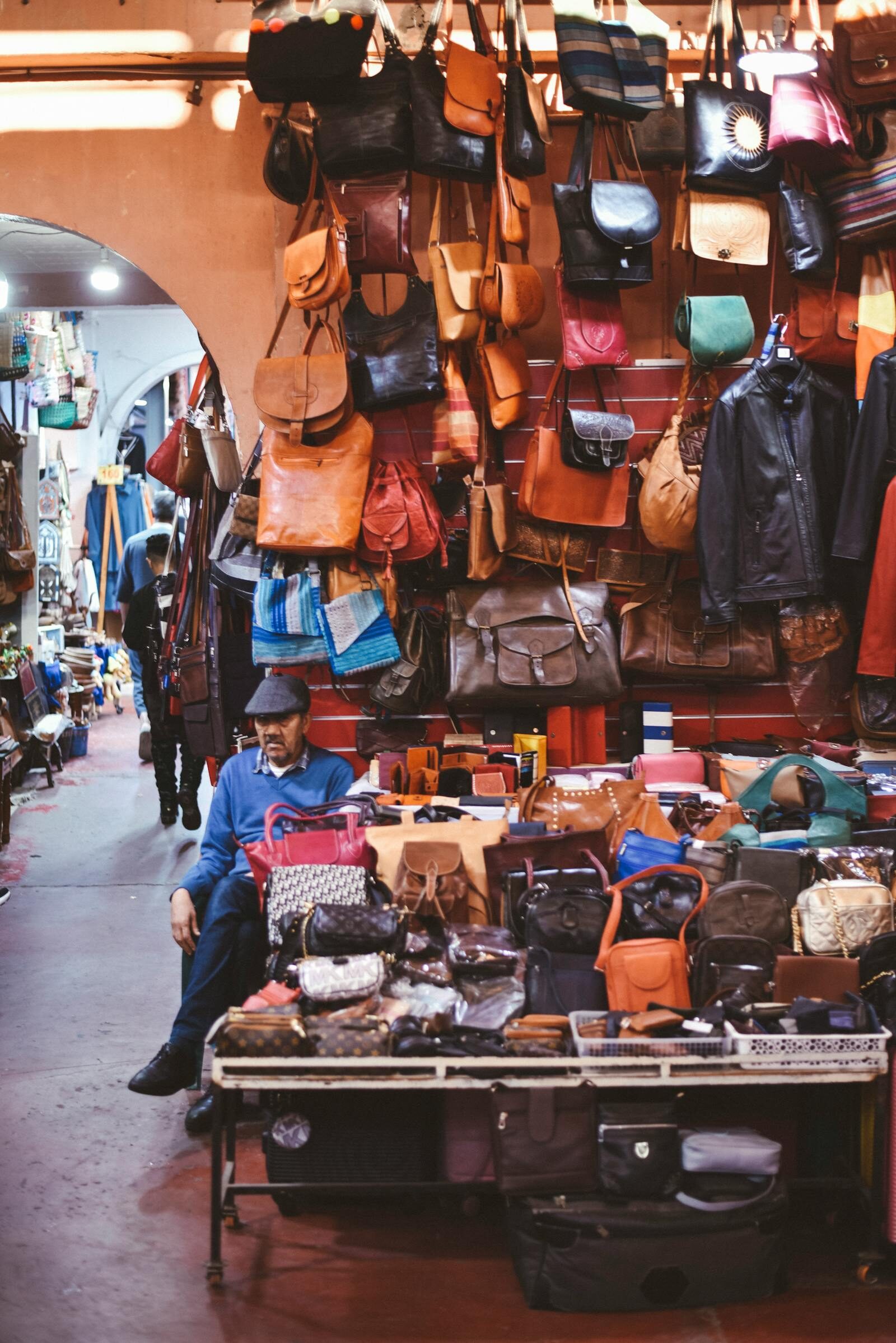
- Gates 4 and 5: clothing, leather, household. Less tourist-targeted than Marrakech’s souks, which means the haggling is less theatrical but the starting prices are also less inflated.
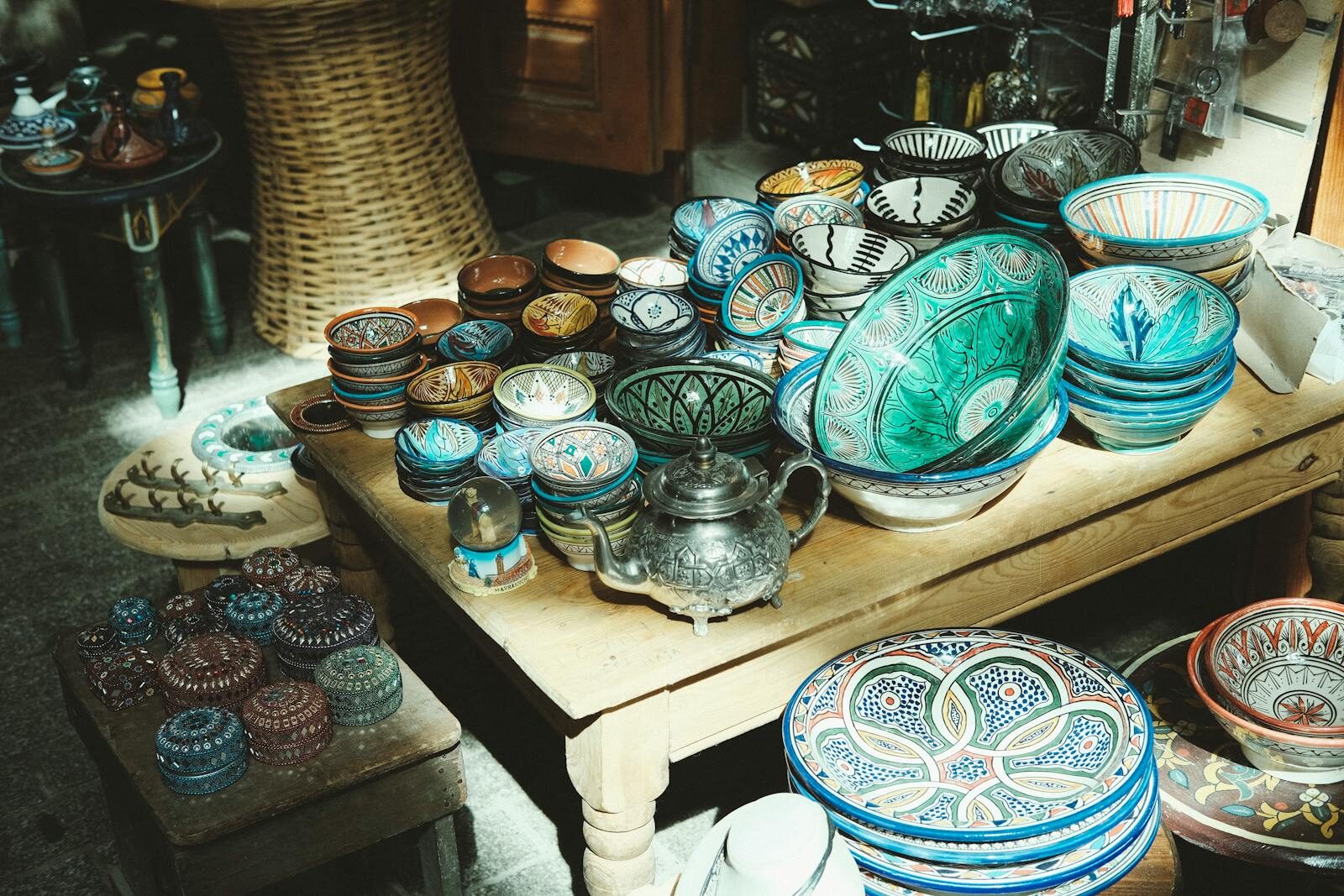
- Gate 6: crafts, ceramics, lanterns. Some genuine artisan work, some imported tat. Look closely; ask about provenance.
- Gates 7 and 8: miscellaneous — shoes, electronics, repair stalls, a few cafés on the outer ring.
Best time to go: mid-morning, Tuesday through Thursday. Saturdays are crowded with weekend shoppers from the wider region. On Friday lunchtime much of the market closes for prayer; expect a partial shutdown between roughly 12:30 and 14:00.
Haggling realism: Agadir’s market culture is gentler than Marrakech’s. You will not be theatrically followed for fifteen minutes for declining a rug. The first price is typically 30–50% above the willing-to-sell price for tourist-coded items, less inflated for everyday goods. Walking away is normal and not insulting.
For women travelling alone: Souk El Had is among the easier large markets in Morocco for solo women. It is busy, well-lit, and the stallholders include many women. Modest clothing — covered shoulders, knees — lowers attention noticeably.
Médina d’Agadir Polizzi: The Artisan Village
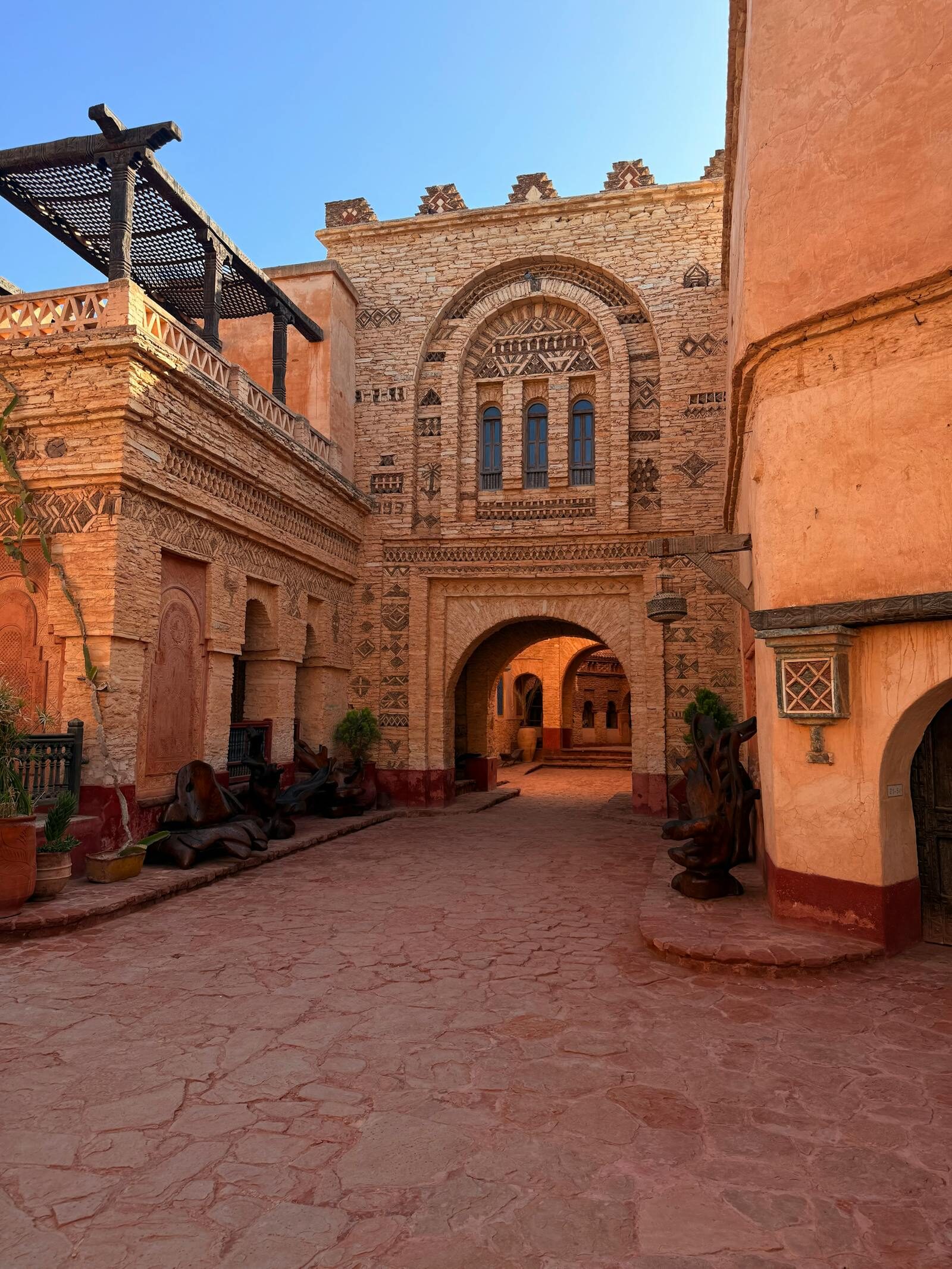
A few kilometres south of central Agadir, the Médina d’Agadir is something else entirely. Built in the 1990s by Italian architect Coco Polizzi, it is a recreated Berber-style village — pisé walls, narrow lanes, palm-shaded squares, workshops where artisans demonstrate weaving, pottery, leatherwork, and metalwork. Entry costs around 50 dirhams at the time of writing.
It is, depending on your temperament, either a charming and well-curated cultural experience or an open-air theme park. Both readings are honest. The architecture is genuinely beautiful — it’s the closest thing in the Agadir area to the medina-atmosphere visitors arrive expecting — and the artisans are real people doing real work that they sell to you. It is also, transparently, a commercial site that was built specifically for visitors. It is not a historic medina.
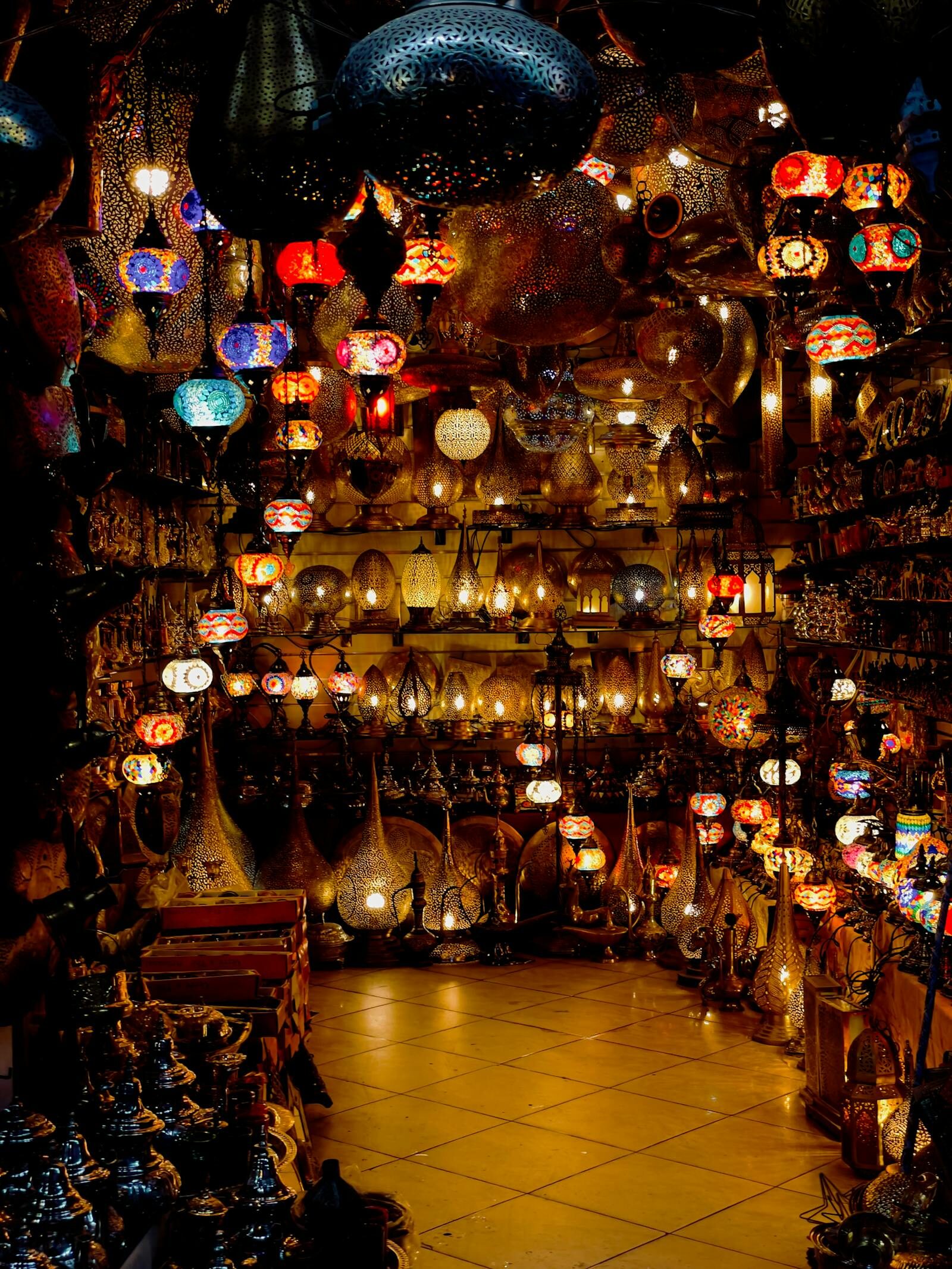
Go if: you want pictures that look like the Morocco from the brochure; you have limited time; you want to see artisanal techniques in a calm environment; you’d rather pay one entry fee than navigate a city market.
Skip if: you find recreated heritage sites uncomfortable; you’d rather see locals shopping than performances of craft; you’re price-sensitive (the Polizzi’s shops cost more than Souk El Had for similar goods); or you only have one half-day for market culture and want it spent on the real working market.
Best time to visit: late morning or mid-afternoon. The light through the alleyways is the reason for the photographs.
Practical Notes
Getting there. Souk El Had is in the east of central Agadir; a petit taxi from the corniche costs around 15 dirhams and takes 10–15 minutes. Médina Polizzi is further south, around 4 km from the centre; a taxi runs 25–40 dirhams. Neither is walkable from the seafront.
Cash. Both are largely cash places. Bring small denominations — change for a 200-dirham note can be a small ceremony.
Photography. Ask before photographing people. A nod and a held-up phone with a question on your face is universally understood. Some stallholders will agree; some will decline, often because they’re in the middle of a sale. A respectful refusal does not require negotiation.
What to buy. If you’re taking one thing home: argan oil, properly bought from a cooperative at Souk El Had. If you’re taking two: argan plus a small piece of leatherwork or a brass tea-glass tray. The lanterns are beautiful but a logistical nightmare in checked luggage.
Which One Should You Visit?
If you have one morning: Souk El Had. The Polizzi medina is a constructed experience; the souk is the actual life of the city.
If you have a full day: both, in that order. Souk in the morning when it’s freshest; lunch on the corniche; the Polizzi medina in the afternoon for the light. You’ll have seen the city’s real market culture and the city’s commercial reinterpretation of medina aesthetics, and you’ll know exactly which one is which.
If you have an afternoon flight: probably skip the Polizzi medina and walk the corniche promenade instead. The medina-replica will still be there in 2027; the light on the bay before you fly out will not be.
Keep reading
 practical
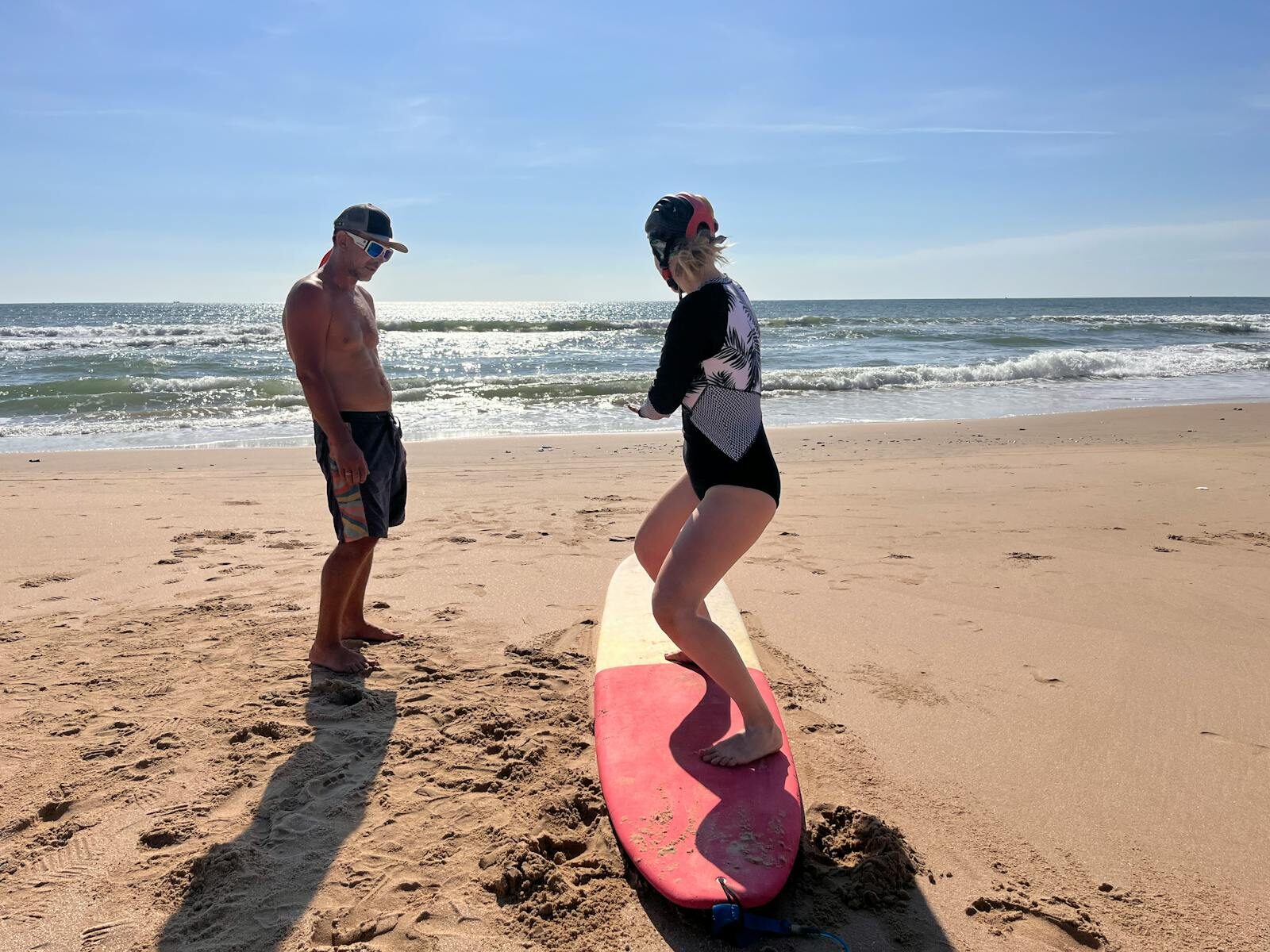
Surfing for Beginners in Morocco: Taghazout's Honest Reality 2026
A first-timer's honest guide to learning to surf in Morocco. The right breaks, the right week, the realistic costs, the surf-camps that actually teach beginners — without the brochure gloss.
 comparison
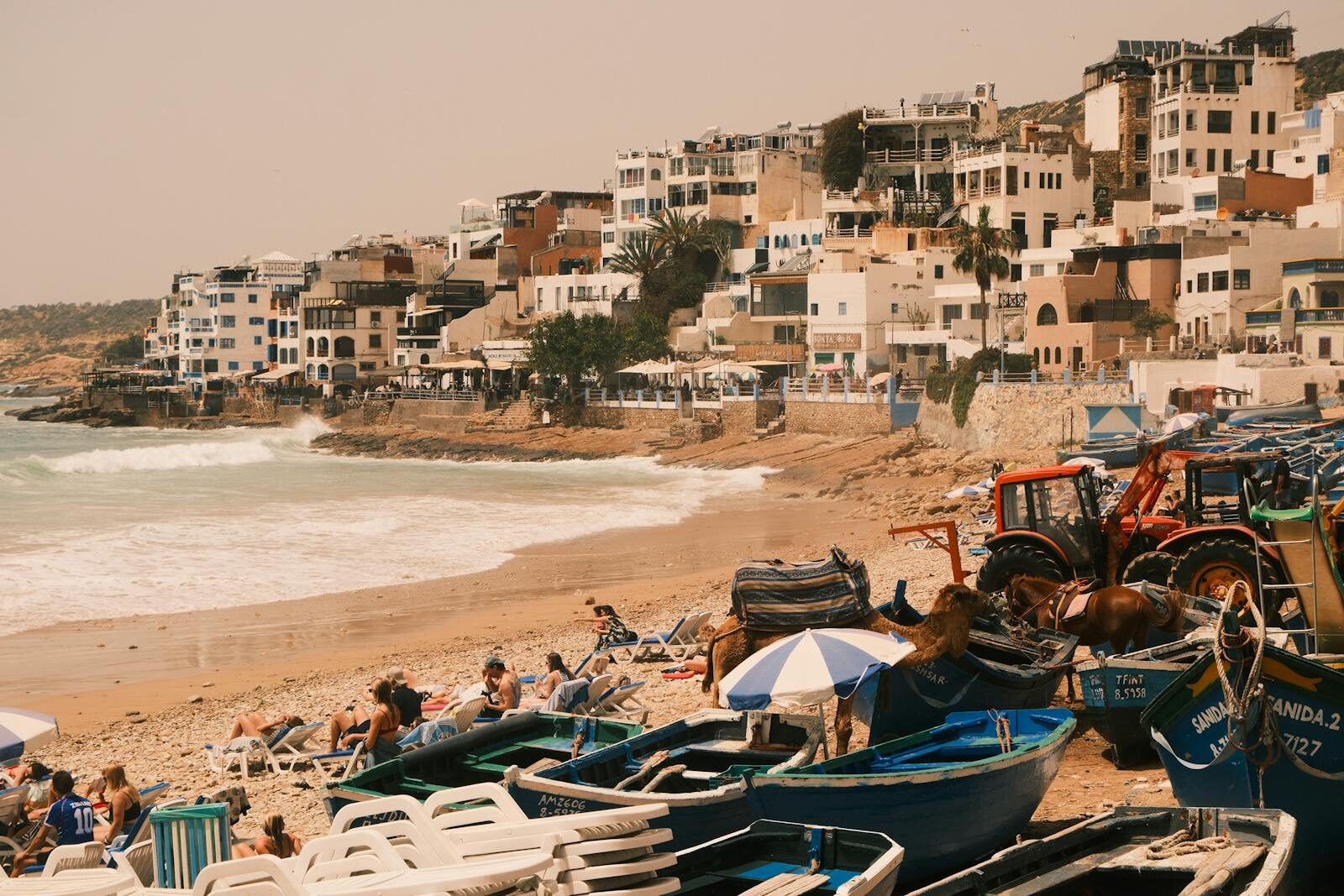
Taghazout vs Tamraght 2026: Where Should You Stay for Surfing?
An honest comparison of Taghazout village and Tamraght for a surf trip in 2026 — wave access, accommodation, food, vibe, cost, and getting around. Pick the right one.
 seasonal
Surfing in Taghazout by Season: When to Go for Your Level 2026
When to surf Taghazout depends on your level. An honest seasonal guide — winter for advanced surfers, summer for beginners, and shoulder months for the rest of us. Water temps, wave size, wetsuit thickness.